
People often ask why I wrote Raised By a Narcissist: That Woman aka My Mother. It is a question I have thought about many times myself because the answer is not as simple as wanting to write a book.
The story behind Raised By a Narcissist: That Woman aka My Mother begins long before I ever sat down to write the first chapter. For much of my life, I carried experiences that I did not fully understand. Like many people who grow up in difficult family environments, I accepted certain behaviours as normal because they were all I had ever known.
It was only later, through reflection, learning, and healing, that I began to recognise the impact those experiences had on my confidence, relationships, boundaries, and sense of self.
Writing this memoir became an opportunity to make sense of my journey. More importantly, it became a way of sharing a message that I wish someone had shared with me years earlier: you are not alone, your experiences matter, and healing is possible.
In this post, I want to share the story behind Raised By a Narcissist: That Woman aka My Mother, what inspired me to write it, what I learned during the process, and what I hope readers take away from it.
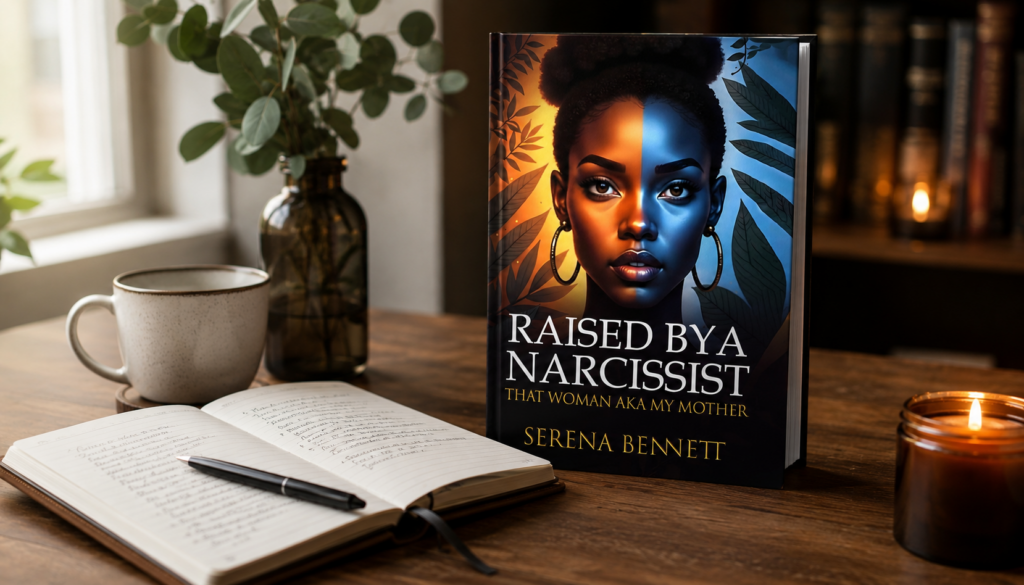
The Story Behind Raised By a Narcissist: Why I Wanted to Share My Story
When people hear the phrase narcissistic abuse, they often think of romantic relationships. However, narcissistic behaviour can exist in many different relationships, including those between parents and children. The effects can last long into adulthood, influencing how a person sees themselves and how they move through the world.
For many years, I struggled to connect the challenges I faced as an adult with experiences from my childhood. I knew certain situations affected me deeply. I knew I often questioned myself more than other people seemed to. I knew that setting boundaries felt uncomfortable and that confidence did not come naturally. What I did not fully understand at the time was how much of that could be traced back to earlier experiences.
As I learned more about narcissistic behaviour and emotional manipulation, many things began to make sense. Patterns that had once felt confusing suddenly had names. Reactions that I had criticised myself for started to feel understandable. The more I learned, the more I realised that many other people were having similar experiences and asking the same questions.
That understanding played a significant role in my decision to write the book. I wanted to share my story honestly, but I also wanted readers to recognise that they are not the only ones trying to make sense of difficult family dynamics.
The Writing Process Was More Emotional Than I Expected
Although I knew the subject matter would be personal, I underestimated how emotional the writing process would be.
Writing a memoir requires you to revisit moments that you may not have thought about for years. Some memories return clearly. Others arrive unexpectedly. There were times when I sat down intending to write about one event and found myself reflecting on something entirely different.
What surprised me most was how writing helped me see patterns more clearly. Experiences that had once felt isolated began to connect together. Situations that had confused me for years started to make more sense when viewed as part of a wider picture.
That does not mean the process was easy. There were moments when I had to step away from the manuscript and give myself space. Some chapters were harder to write than others. Yet every difficult section reinforced why the story mattered.
Healing often requires honesty. Writing the book encouraged me to look at my experiences honestly while also acknowledging how far I had come.
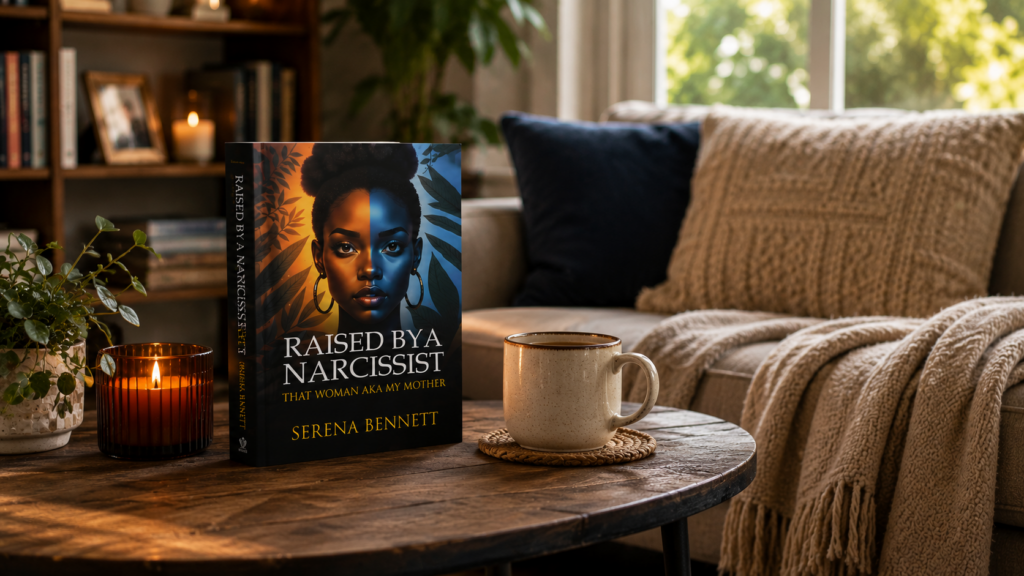
Understanding the Impact of Narcissistic Abuse
One of the reasons I felt compelled to write this memoir was because the effects of narcissistic abuse are often misunderstood.
Many people assume abuse must always be obvious. They imagine constant arguments, visible conflict, or dramatic incidents. In reality, emotional manipulation can be subtle and gradual. It often affects the way a person thinks about themselves rather than leaving visible scars.
Over time, repeated criticism, invalidation, blame shifting, or emotional control can shape how someone views their worth. It can create self-doubt where confidence once existed. It can encourage people-pleasing behaviours, fear of conflict, and difficulty trusting one’s own instincts.
These effects do not disappear overnight. They often continue into adulthood, influencing relationships, careers, and everyday decision-making.
By sharing my own experiences, I hoped to help readers recognise some of these patterns in their own lives. Understanding what happened is often one of the first steps towards healing.
What Writing the Book Taught Me
Although the memoir explores difficult experiences, the writing process also taught me valuable lessons about resilience, growth, and self-awareness.
One of the most important lessons was recognising the difference between understanding and excusing behaviour. Understanding why someone behaves in a certain way does not mean accepting harmful treatment. It does not mean minimising the impact of their actions. Instead, it allows you to see situations more clearly and make informed choices about how you move forward.
Writing the book also reinforced the importance of self-compassion. Many survivors spend years blaming themselves for their reactions, their boundaries, or the choices they made while trying to cope with difficult circumstances.
Looking back through the lens of understanding helped me see that many of those reactions were survival responses. They were attempts to navigate situations that felt confusing, painful, or unpredictable.
Perhaps most importantly, writing the memoir reminded me that healing is not about becoming a completely different person. It is about reconnecting with who you were before self-doubt and emotional manipulation convinced you otherwise.
What I Hope Readers Take Away From the Memoir
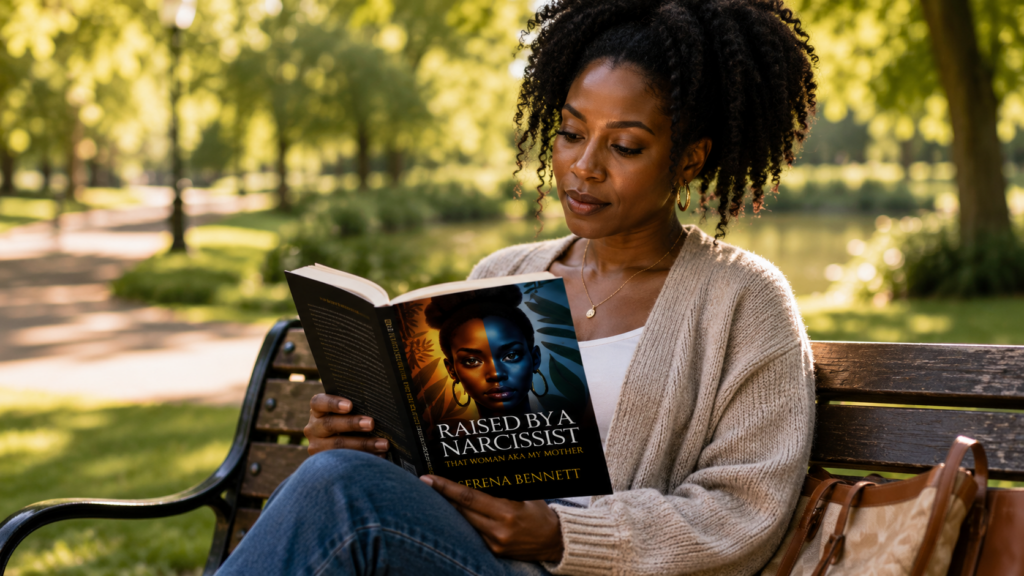
Every reader brings their own experiences to a book. Some people may see parts of themselves in the story. Others may gain insight into relationships they have struggled to understand. Some may simply be curious about a personal journey that differs from their own.
Whatever brings someone to Raised By a Narcissist: That Woman aka My Mother, there are a few things I hope they take away from it:
• That their experiences matter. Many people minimise what they have been through because someone else appears to have had it worse. Pain does not need to be compared to be valid.
• That healing is possible. It may not happen quickly, and it may not follow a straight path, but growth can happen. Confidence can return. Boundaries can become stronger. Self-trust can be rebuilt.
• That they are not alone. One of the most isolating aspects of emotional abuse is believing that nobody else could possibly understand. The messages I have received from readers suggest otherwise. Time and time again, people tell me they recognised themselves in parts of the story. Knowing that the book has helped someone feel understood makes sharing it
The Response From Readers
Since publishing the memoir, I have received messages from readers who connected with the book in different ways. Some recognised their own childhood experiences. Others identified similar patterns in adult relationships. Many simply appreciated seeing a topic discussed openly and honestly.
Those conversations have been one of the most rewarding parts of becoming an author.
Writing can sometimes feel like a solitary experience. You spend hours with your thoughts, your memories, and your manuscript. Once the book is published, however, it takes on a life of its own. Readers bring their own perspectives and experiences to the pages.
Hearing how the book has resonated with people has reinforced why I wanted to write it in the first place. If a story helps someone feel seen, understood, or encouraged to continue their healing journey, then sharing that story has value.
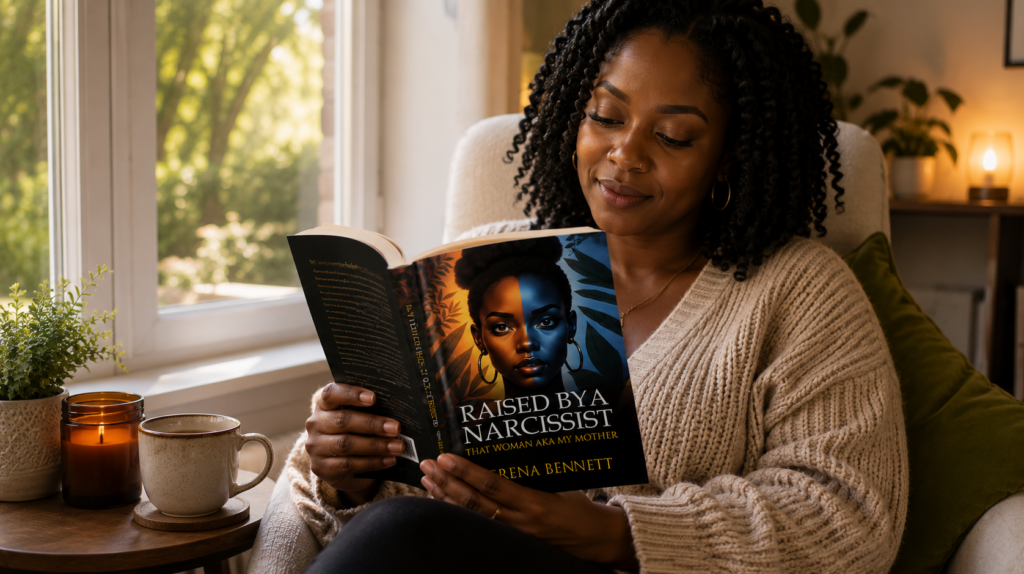
Why This Story Matters to Me
There are many books in the world, and many stories worth telling. This one matters to me because it is personal.
It reflects experiences that shaped my life. It reflects lessons I learned through reflection, understanding, and healing. It represents a journey from confusion towards clarity and from self-doubt towards greater self-awareness.
Most importantly, it represents hope.
Not the unrealistic hope that healing happens instantly or that difficult experiences can simply be forgotten. Instead, it represents the hope that understanding is possible, that growth is possible, and that people can move forward even after painful experiences.
That is ultimately why I wrote Raised By a Narcissist: That Woman aka My Mother.
Not because I had all the answers, but because I wanted to share a story that might help someone else feel less alone while finding their own.

Writing Raised By a Narcissist: That Woman aka My Mother was one of the most personal projects I have ever undertaken. Looking back, I am grateful that I chose to share the story because of the conversations it has started and the people it has connected with along the way.
The story behind Raised By a Narcissist: That Woman aka My Mother is ultimately a story about understanding, healing, and finding the courage to share experiences that may help someone else feel less alone.
If you have read the book, listened to the audiobook, or connected with any part of the story, I would genuinely love to hear from you.
What resonated with you most?
Please share your thoughts in the comments below. Your perspective may help another reader feel understood, supported, and less alone on their own healing journey.

How to Trust Yourself Again After Narcissistic Abuse
This post explores the difficult process of rebuilding confidence after years of manipulation and self-doubt. It complements the memoir by helping readers take practical steps towards trusting themselves again.
Healing Is Not Linear: 5 Powerful Lessons for Recovery
Recovery rarely follows a straight path. This article explores the setbacks, breakthroughs, and lessons that often emerge during the healing journey, reminding readers that progress is not measured by perfection.
Protect Your Peace: A Powerful Guide to Setting Boundaries That Heal
Healthy boundaries are often one of the biggest challenges for survivors of narcissistic abuse. This guide offers practical support for protecting your wellbeing while rebuilding confidence and self-respect.
Mind: Understanding Trauma
A helpful overview of how trauma can affect emotional wellbeing, relationships, and daily life, with practical information and support resources.
NHS Every Mind Matters
Free NHS resources designed to support mental wellbeing, self-care, and emotional resilience, including practical tools for managing stress and improving emotional wellbeing.

If this post gave you a deeper understanding of the story behind Raised By a Narcissist: That Woman aka My Mother, please consider sharing it with someone who may be navigating their own healing journey.
Use the sharing options below and tag #SerenaBennett when you share. Every share helps this story reach someone who may need reassurance that they are not alone.
Thank you for helping this message reach those who may need it most.